
A Step by Step Look at How Your Vehicle’s Electrical System Is Checked and Fixed
If you schedule a car electrical repair service, you can expect a full system check, diagnostic testing, and a clear plan for fixing the issue. The technician will inspect your battery, wiring, fuses, and main components like the starter and alternator. After finding the problem, they will explain the repair and complete the work safely. The goal is to fix the issue and prevent it from coming back.
Quick Answer: What Happens During the Visit
During a car electrical repair appointment, the shop will start with questions about the problem. They may ask when the issue started or if warning lights are on. Next, they will run tests using diagnostic tools. These tools read fault codes and check voltage levels. Once they locate the problem, they repair or replace the faulty part. Before returning the car, they test the system again to confirm everything works.
What You Need Before the Appointment
You do not need to do much before bringing your car in. Still, a little prep can help speed things up.
- Make note of any warning lights on the dashboard.
- Write down when the problem happens, such as during cold starts.
- Bring details about recent repairs or battery replacements.
- Have your vehicle information ready, including year and model.
Simple details can help the technician narrow down the electrical issue faster.
Step by Step Process of Car Electrical Repair
Here is how most car electrical repair jobs are handled:
- Initial inspection: The technician performs a visual check under the hood and inside the vehicle.
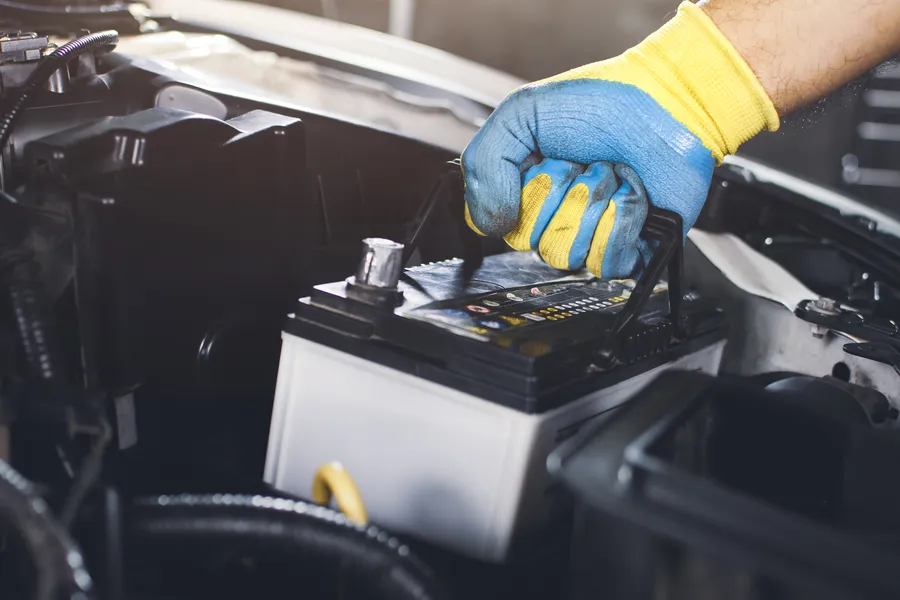
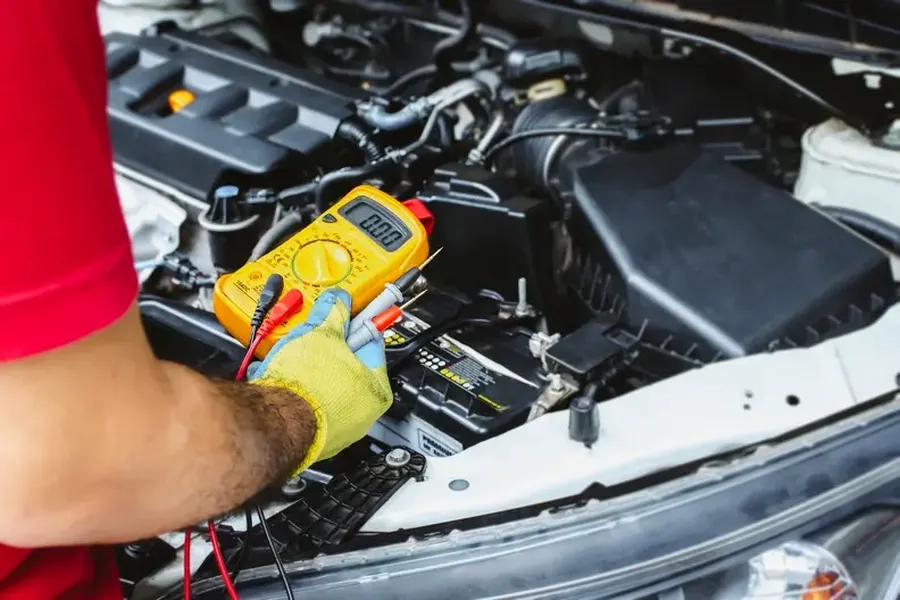
- Battery and charging test: They test the battery, alternator, and starter for proper voltage.
- Diagnostic scan: A scan tool checks for stored error codes in the system.
- Circuit testing: Wiring, fuses, and relays are tested for breaks or shorts.
- Repair or replacement: Faulty parts are repaired or replaced as needed.
- Final testing: The system is tested again to confirm the fix.
This process helps catch both obvious and hidden problems. Electrical issues can be tricky, so testing is a key step.
Common Mistakes to Avoid
Electrical problems can look simple at first. Many drivers try a quick fix and end up with a bigger issue.
- Replacing the battery without testing the alternator.
- Ignoring warning lights on the dashboard.
- Using the wrong size fuse.
- Trying to patch damaged wiring with tape only.
Modern vehicles have complex systems. A small wiring fault can affect lights, power windows, or even engine performance. Guessing can cost more money in the long run.
When to Call a Professional
Some signs mean it is time for expert help. If your car will not start, stalls often, or has dim lights while driving, the issue may be electrical. A burning smell near the dashboard is also a warning sign. Electrical work involves live circuits and sensitive parts. Improper handling can damage control modules or cause sparks.
Basic checks like tightening battery terminals are fine for most drivers. But tracing wires or testing control units requires special tools and training. A qualified technician can safely diagnose and complete the car electrical repair without risking more damage.
Final Recommendation and Next Steps
If your vehicle shows signs of electrical trouble in San Jose, CA, it is best to have it checked before the problem gets worse. Our team at AutoMend performs detailed testing and reliable repairs for all types of vehicles. We take time to explain what we find and walk you through the solution so you feel confident about the work. Call us at (408) 286-5404 to schedule your service or to ask questions about your car’s electrical system. We are here to help keep you safely on the road.