
The Truth About Stopping Power and Car Safety
Many drivers believe things about brake repair that are simply not true. These myths can lead to unsafe driving, higher costs, and even accidents. The truth is that brakes give warning signs, not all noise means disaster, and quick fixes do not always solve the real problem. When you know the facts, you can protect your car and your family on the road.
Why Prevention Matters
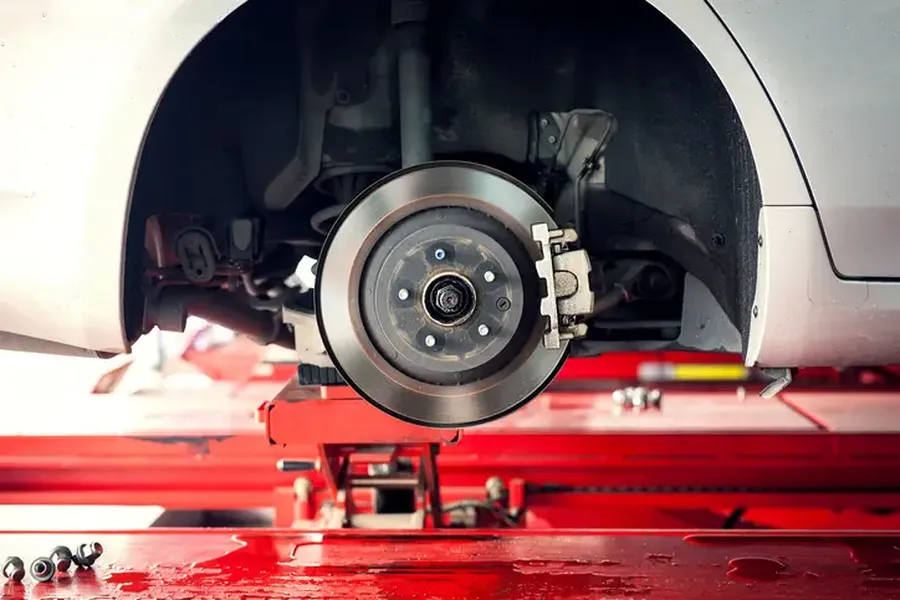
Your brakes are one of the most active safety systems in your car. Every time you slow down, they work hard. Ignoring small issues can turn into larger damage over time. A simple pad replacement costs far less than replacing rotors or calipers later. Good information helps you avoid panic and poor choices.
Many myths cause drivers to wait too long or spend money on repairs they do not need. Knowing what is true helps you make smart decisions about brake repair.
Early Warning Signs
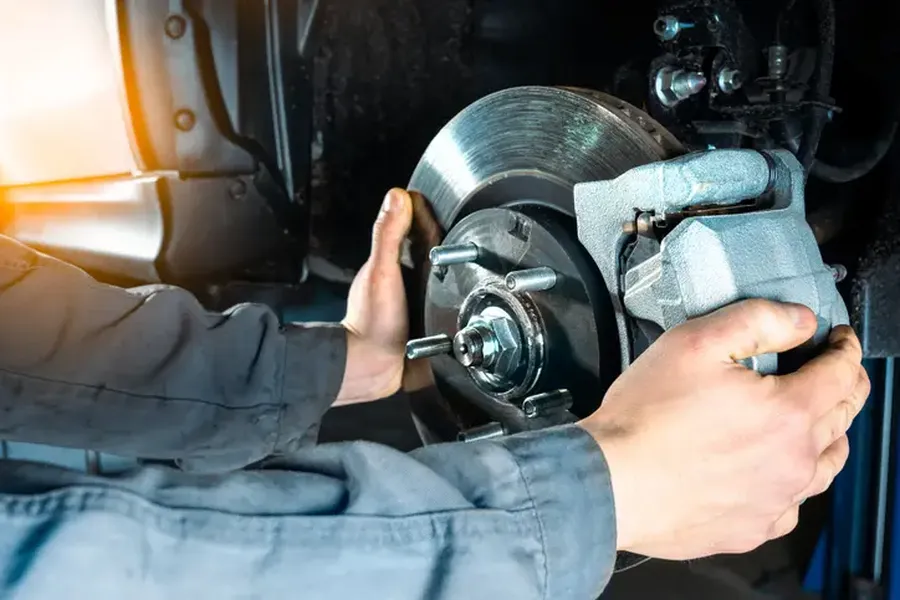
Another common myth is that brakes fail without warning. In most cases, they give clear signs first. You just need to pay attention.
- Squeaking or squealing sounds
- Grinding noise when stopping
- Vibration in the steering wheel
- Brake pedal feels soft or spongy
- Car pulls to one side
Squeaking often means the brake pads are wearing down. Grinding may mean the pads are gone and metal is rubbing on metal. A soft pedal can point to air in the lines or a fluid issue. These signs should never be ignored.
Seasonal or Routine Checklist
Some drivers think brakes only need attention when something feels wrong. That is not true. Regular checks help you catch wear early.
- Have your brakes inspected at least once a year.
- Check brake fluid levels during oil changes.
- Listen for new noises after long trips.
- Pay attention after driving in heavy rain.
- Ask for a visual check during tire rotations.
Road salt in winter and high heat in summer can both affect parts. Moisture can cause rust. Heavy traffic can wear pads faster. A routine plan lowers the risk of sudden brake repair needs.
Best Practices for Long-Term Results
A big myth is that slamming on the brakes does not matter. Hard, sudden stops create extra heat. Heat wears down pads and can warp rotors. Try to slow down smoothly whenever possible.
Another myth is that all brake parts are the same. Low-cost pads may wear out faster and create more dust. Quality parts often last longer and perform better. It is smart to ask what type of parts are being installed.
Some people believe you only need to replace the pads. In many cases, rotors also need resurfacing or replacement. Skipping this step can lead to uneven wear and vibration later.
What Not to Do
There are several myths that can cost you money or put you at risk.
- Do not ignore warning lights.
- Do not assume noise will go away on its own.
- Do not replace just one side to save money.
- Do not wait until the pedal hits the floor.
- Do not rely on temporary fixes like spraying cleaners.
Replacing only one side can lead to uneven braking. Waiting too long can damage rotors and calipers. Quick sprays and home tricks rarely fix the true cause. Proper brake repair looks at the full system.
When to Schedule Professional Help
Some drivers think they can always handle brake work at home. While simple pad changes may seem easy, modern systems can be complex. Anti-lock braking systems, electronic sensors, and hydraulic lines require skill and the right tools.
If you hear grinding, feel strong vibration, or notice leaking fluid, get your car checked right away. If your stopping distance feels longer than usual, that is another red flag. A trained technician can inspect the full system and explain what is needed.
Regular brake repair visits also give you peace of mind. A short inspection today can prevent a major repair tomorrow.
Get Trusted Help for Safer Driving
If you are in San Jose, CA and have questions about your braking system, it is smart to have a trusted team take a look. At AutoMend, we inspect each vehicle carefully and explain what we find in clear terms. We focus on honest recommendations and safe results for every driver. Call us at (408) 286-5404 to schedule an appointment and let us help keep you stopping safely on every trip.